
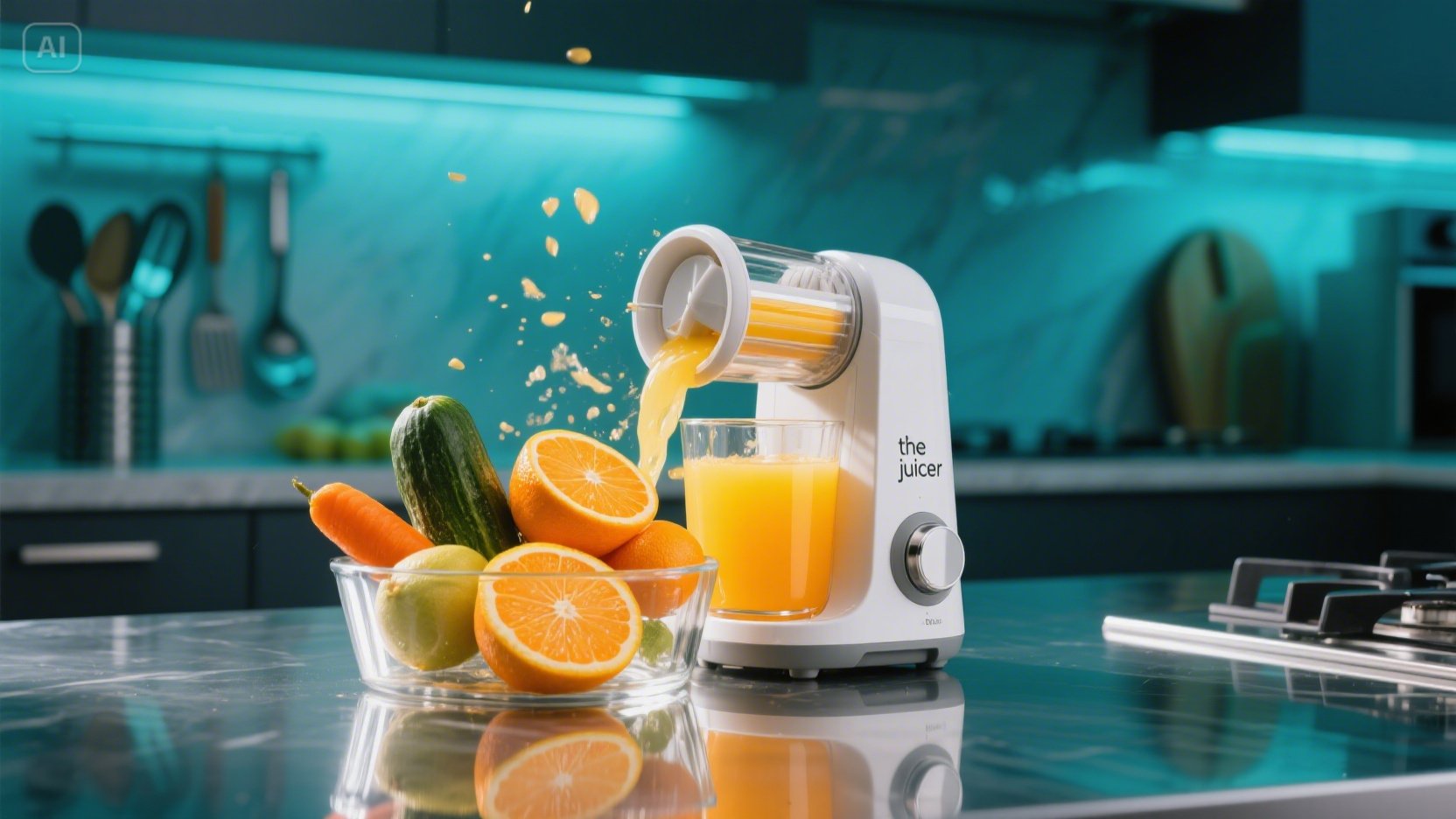
Juicing has become an increasingly popular way to incorporate more fruits and vegetables into our diets. Whether you’re seeking a quick nutrient boost, trying to detox, or simply love the taste of fresh juice, selecting the best juicer can make all the difference. With so many options on the market, ranging in price, design, and functionality, it can be overwhelming to find the perfect fit for your lifestyle.
Why Investing in the Best Juicer Matters
Not all juicers are created equal, and choosing the right one impacts the quality, taste, and nutritional value of the juice you produce. The best juicer efficiently extracts juice while preserving the natural enzymes, vitamins, and minerals. It should also be easy to clean, durable, and versatile enough to handle your favorite fruits and vegetables.
Types of Juicers: What Are Your Options?
Before narrowing down what the best juicer is for you, it’s important to understand the main types available:
- Centifugal Juicers: These juicers use fast-spinning blades to shred fruits and vegetables and extract juice. They’re generally the most affordable and quickest option, great for beginners.
- Masticating Juicers (Cold Press or Slow Juicers): These operate by crushing and pressing produce to extract juice. They yield more juice and preserve nutrients better but are typically slower and more expensive.
- Citrus Juicers: Specifically designed for citrus fruits, these juicers are compact and easy to use but limited in function.
- Triturating Juicers (Twin Gear): These use twin gears to crush produce thoroughly, offering the highest juice yield and nutrient retention. They tend to be costlier and more complex.
Top Features to Consider When Choosing the Best Juicer
When shopping for the best juicer, here are several factors to keep in mind to ensure you get the most out of your investment:
Juice Yield and Nutrient Retention
A quality juicer should maximize juice output without wasting pulp. Masticating and triturating juicers generally offer better juice yield and preserve nutrients due to their slower extraction process.
Ease of Use and Cleaning
No one wants to spend a lot of time cleaning their juicer. Look for models with dishwasher-safe parts or simple assembly and disassembly processes.
Speed and Noise Level
If you’re in a hurry, centrifugal juicers tend to be faster but also noisier. Slow juicers operate quietly but take longer to process.
Durability and Build Quality
Invest in a juicer made of high-quality materials such as stainless steel or BPA-free plastics, which ensures longevity and food safety.
Size and Storage
Depending on your kitchen space, you might want a more compact design. Some juicers come with built-in storage for cords and parts.
Price Point
Best juicers are available at various price points. Decide on your budget while balancing features and performance.
Our Recommended Best Juicers in 2024
Based on expert reviews, user feedback, and hands-on testing, here are some of the best juicers available right now:
1. Omega NC900HDC Masticating Juicer
This slow-speed juicer is praised for its excellent juice yield and nutrient retention. It operates quietly and handles leafy greens, wheatgrass, and hard vegetables with ease. Cleaning is reasonably straightforward, and it doubles as a food processor and grinder.
2. Breville Juice Fountain Plus (JE98XL)
For those who want speed and convenience, this centrifugal juicer offers superb performance at an affordable price. It features a powerful motor and a large feeding chute for minimal prep work. While it is a bit noisier, it’s a solid choice for everyday use.
3. Hurom H-AA Slow Juicer
Combining sleek design with efficient cold-press technology, the Hurom H-AA is a favorite for nutrient-focused juicing. It juicer lowers oxidation and separates pulp effectively, producing smooth, rich juice. It’s on the pricier side but well worth the investment for serious juicing enthusiasts.
4. Tribest Greenstar Elite Twin Gear Juicer
If you’re seeking maximum juice quality and don’t mind a larger machine, the Greenstar Elite is a top contender. It’s excellent for tough produce, preserving enzymes, and has a dual-stage extraction process for optimum yield.
Tips to Get the Most Out of Your Juicer
Once you’ve selected the best juicer for your needs, here are some tips to enhance your juicing experience:
- Prep ingredients properly: Wash thoroughly and cut into sizes that fit the feeding chute to avoid clogging.
- Mix fruits and vegetables: Combining sweet fruits with nutrient-dense greens can balance flavor and maximize health benefits.
- Drink juice immediately: Fresh juice loses nutrients quickly, so it’s best consumed right after extraction.
- Clean your juicer right away: Prevent pulp and juice residues from hardening by rinsing parts immediately after use.
- Experiment with recipes: Trying various combinations keeps your juicing routine exciting and ensures a wider range of nutrients.
Conclusion
Choosing the best juicer depends largely on your lifestyle, budget, and the types of juice you want to make. Whether you prioritize speed or nutrient retention, there is a juicer out there that fits your needs. From efficient centrifugal models to advanced twin-gear extractors, investing in a quality juicer can transform your health and daily routine. Remember to consider key features such as ease of cleaning, durability, and juice yield to make a well-informed decision. Elsewhere on the site: Small Hypoallergenic Dogs.
Ready to embrace the delicious world of fresh juice? With the right juicer in your kitchen, a healthier lifestyle is just a sip away!
Apart from that if you want to know about “Top 7 Tips for Maintaining” then please visit our “Home Improvement” Category.