
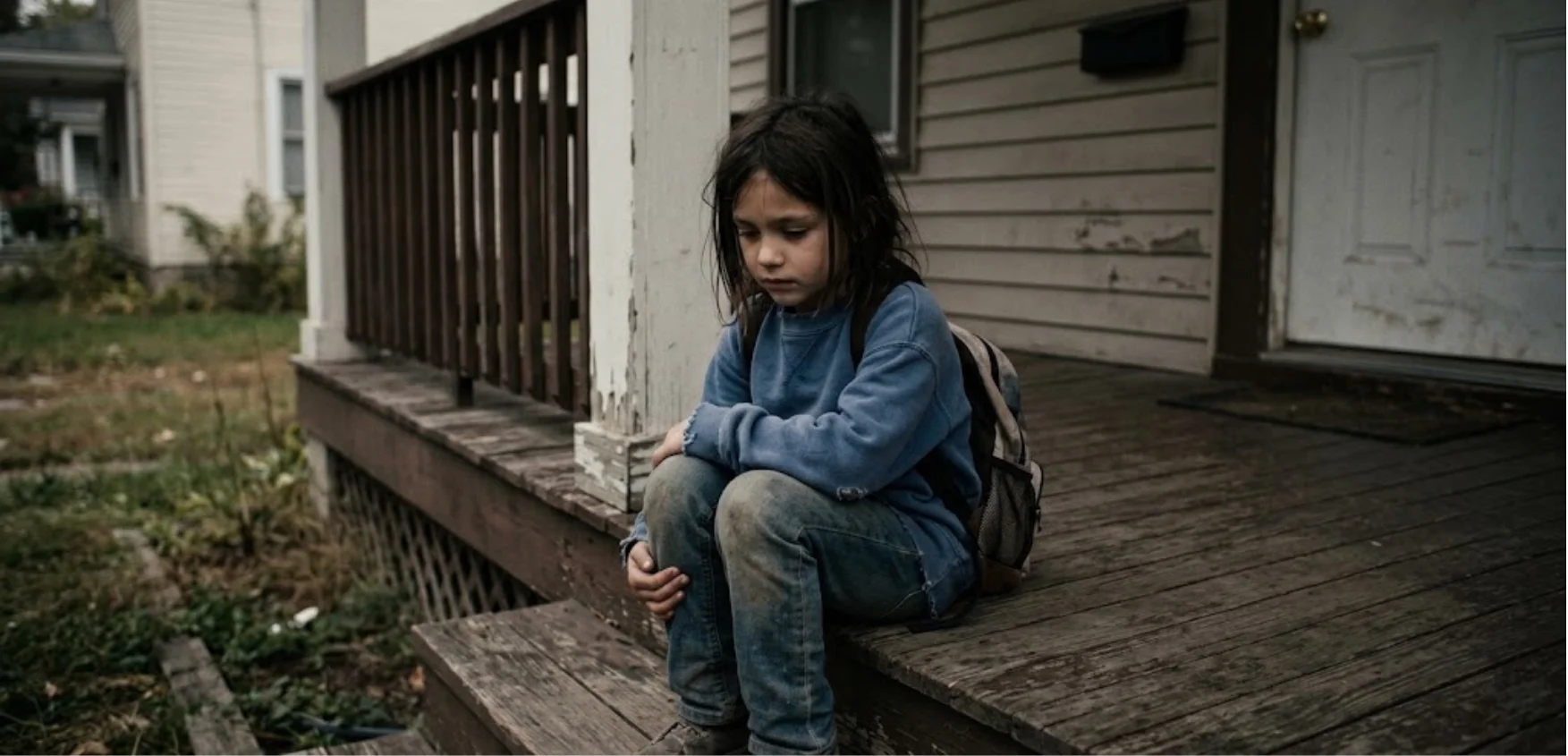
Child neglect happens when a caregiver fails to meet a child’s basic needs for safety, food, shelter, supervision, health care, education, or emotional support. It can be difficult to recognize because there may be no obvious injury. Patterns over time, the child’s age, and the seriousness of the unmet needs all matter.
A warning sign should prompt attention, not an automatic conclusion about a family. Children can show similar signs because of illness, poverty, family crises, disability, or other circumstances. The goal is to notice concerning patterns and help protect the child without making unsupported assumptions.
| Topic | What to know |
|---|---|
| Basic definition | A caregiver fails to meet important physical or psychological needs |
| Main types | Physical, educational, emotional, and medical neglect |
| Possible signs | Persistent hunger, poor hygiene, unsafe supervision, missed schooling, or untreated health needs |
| Important caution | One sign alone does not prove maltreatment |
| Immediate danger | Contact local emergency services or the appropriate child-protection authority |
What Child Neglect Can Look Like
Neglect is often a pattern rather than a single isolated mistake. A caregiver might repeatedly leave a young child without safe supervision, fail to provide enough food, ignore serious medical needs, or consistently prevent access to education.
Age and development matter. A teenager may safely manage tasks that would place a toddler in danger. Babies and young children are especially dependent on adults, so unmet needs can quickly become serious. Safeguarding guidance notes that neglect can look different at different ages and even among children in the same family.
The legal definition also depends on location. In the United States, federal law establishes a minimum framework, but individual states define reportable abuse and neglect within that framework.
The Four Main Types of Neglect
Current safeguarding guidance commonly groups neglect into four broad types.
| Type | What it may involve | Examples |
| Physical | Basic care or safety needs are not met | Inadequate food, clothing, shelter, hygiene, or supervision |
| Educational | A child does not receive appropriate education | Persistent failure to ensure school attendance or access to education |
| Emotional | Nurture and emotional needs are repeatedly unmet | Ignoring, humiliating, intimidating, or isolating a child |
| Medical | Necessary health care is not provided | Ignoring serious symptoms, necessary dental care, treatment, or medical advice |
Educational needs can intersect with broader questions about learning and development. Readers looking for related material can browse Readsbest’s Education section.
These categories can overlap. A child may experience more than one type of neglect at the same time, or the form of neglect may change as the child grows.
Signs That May Need a Closer Look
There is no single reliable sign that proves a child is being neglected. Concern increases when several indicators occur together, persist over time, or become serious relative to the child’s age.
Possible warning signs include:
- frequent hunger or regularly lacking suitable food
- consistently poor hygiene or unsuitable clothing
- untreated illnesses, injuries, dental problems, or skin conditions
- repeated missed health appointments or lack of necessary medication
- being left alone or inadequately supervised
- frequent unexplained school absences
- persistent tiredness or a lack of a stable sleep routine
- developmental concerns or difficulty with language and social skills
- sudden withdrawal, anxiety, aggression, or other marked behavioral changes
MedlinePlus also identifies poor school attendance, inadequate hygiene, a lack of appropriate care, and reports that nobody is available at home as possible indicators.
A concerning sign is a reason to pay attention and seek appropriate professional help. It is not a reason to interrogate a child or publicly accuse a caregiver.
Why Does Neglect Happen?
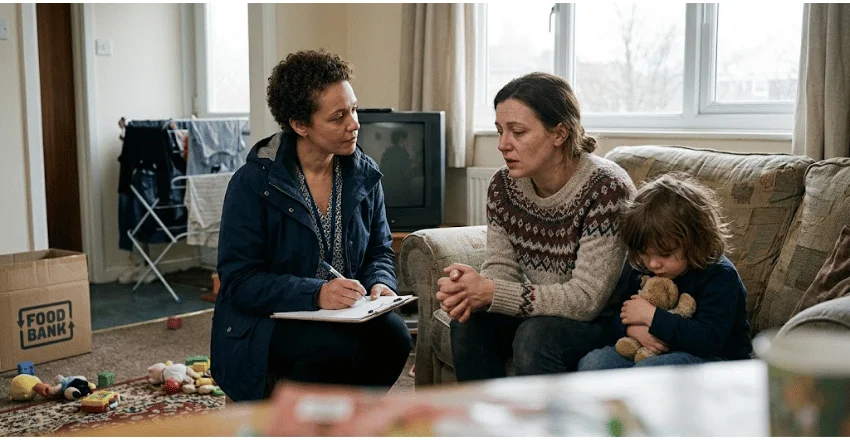
There is rarely one simple explanation. The World Health Organization lists caregiver stress, substance use, mental health problems, limited knowledge of child development, financial difficulties, family conflict, and weak social support among the factors that can raise the risk. Risk factors do not mean abuse is occurring, and they do not remove a caregiver’s responsibility to keep a child safe.
Families under pressure may need practical help before problems become more serious. Food assistance, accessible health care, housing support, parenting services, mental health treatment, and reliable childcare can help address underlying difficulties.
For more information on mental well-being, Readsbest also offers a beginner’s guide to depression counseling. Professional assessment is still necessary when a child’s safety or health is at risk.
How Neglect Can Affect a Child
The effects depend on the child’s age, which needs have gone unmet, how difficult the situation is, and how long it has continued.
Possible consequences include physical health problems, delayed development, learning difficulties, emotional distress, difficulty forming secure relationships, and behavioral changes. WHO reports that child maltreatment can have lasting effects on physical and mental health, education, and social development.
Early support matters because children can recover and develop safer, more stable relationships when their needs are recognized. Depending on the circumstances, the response may involve health professionals, schools, social services, relatives, community organizations, or child-protection agencies.
Poverty, Hardship, and Neglect Are Not the Same
Having limited financial resources does not automatically mean that a caregiver is neglectful. The Child Welfare Information Gateway’s guidance for educators specifically distinguishes poverty itself from neglect. A family may be unable to afford enough food, safe housing, transportation, clothing, or medical care despite actively trying to meet a child’s needs.
That distinction matters. A family facing material hardship may need financial or community support rather than blame.
The key questions concern the child’s safety, the seriousness and persistence of unmet needs, the resources realistically available to the family, and how caregivers respond when assistance is offered.
What to Do If You’re Concerned About a Child
Start by considering the level of danger.
- Act immediately if the child is in urgent danger. Contact your local emergency service or the police, where appropriate.
- Record what you directly observed. Note specific behaviors, statements, dates, injuries, absences, or other concerns. Separate facts from assumptions.
- Contact the appropriate child-protection service. Reporting rules and agencies differ by country, state, province, and profession. Follow the official rules where the child lives.
- Respond calmly if a child talks to you. Listen, take the concern seriously, avoid leading questions, and explain that you may need to seek help to keep the child safe.
NSPCC guidance advises adults to listen carefully, take a disclosure seriously, explain what will happen next, and avoid confronting the alleged abuser themselves.
In the United States, MedlinePlus directs people with concerns to health professionals, the police, or child protective services. It also lists the Childhelp National Child Abuse Hotline at 1-800-422-4453. Immediate danger should be reported to 911 or the applicable local emergency number.
Readers can find more general well-being material in the Readsbest Health section.
The Most Useful Next Step
If something about a child’s care repeatedly concerns you, focus on specific observations and the child’s safety, not labels. Seek professional guidance rather than trying to prove what happened yourself.
Early attention can help connect a child with protection while also connecting a struggling family with practical support. If the situation appears urgent, contact the appropriate emergency or child-protection service in the child’s location.
Frequently Asked Questions
No. Poverty can make it harder for a family to obtain food, housing, health care, transportation, or other necessities, but financial hardship alone does not establish maltreatment. Professionals should consider whether resources are unavailable and whether the caregiver is making reasonable efforts to meet the child’s needs.
No. A single sign can have several explanations. Concern increases when signs appear together, persist, become more serious, or create a clear safety risk. A qualified professional or child-protection service can assess the wider circumstances.
Listen without conducting your own investigation. Let the child speak in their own words, stay calm, take the disclosure seriously, and seek appropriate safeguarding help. Avoid promising complete secrecy because the information may need to be shared with professionals who can protect the child.
Reporting laws differ by jurisdiction and profession. Immediate danger requires urgent action. For other serious or persistent concerns, contact the official child-protection agency or safeguarding service where the child lives and follow its reporting guidance. U.S. definitions and procedures can differ among states.