
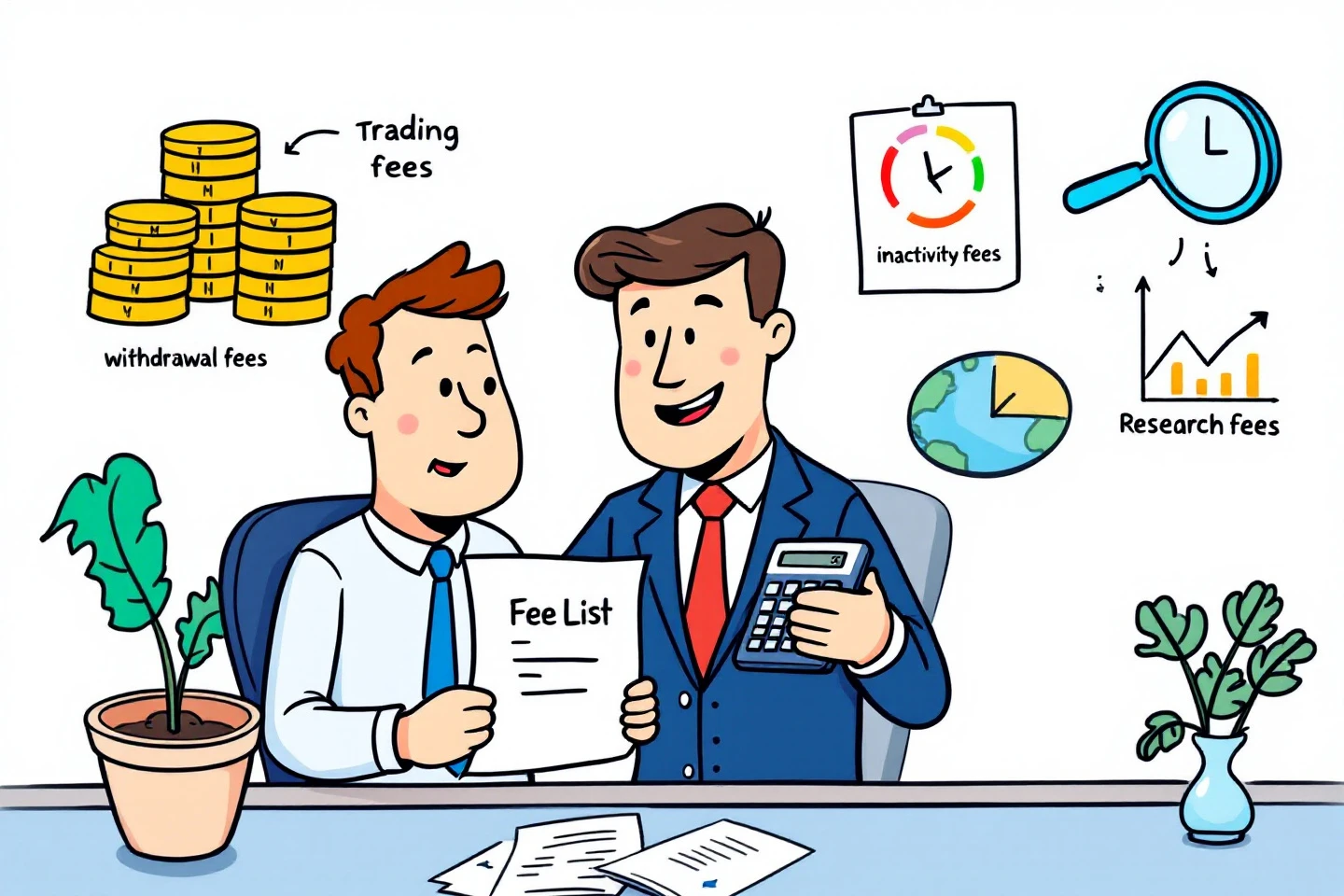
In a rapidly changing economic landscape, staying informed about surcharge news is essential for consumers and businesses alike. Surcharges, which are additional fees added on top of a base price, have become a common feature across several industries. Whether related to fuel, credit card transactions, shipping, or government levies, these charges can significantly impact the cost of goods and services. This article explores the latest developments in surcharge news, shedding light on what they mean for you and the wider economy.
Understanding Surcharges: A Brief Overview
A surcharge is an extra fee added to the regular price of a good or service, often to cover increased costs or regulatory requirements. They differ from taxes in that surcharges are typically applied by businesses and are more flexible in nature. Industries commonly implementing surcharges include airlines, utilities, restaurants, and financial services.
For example, airlines may impose fuel surcharges when oil prices escalate sharply, passing these increased expenses onto consumers. Similarly, merchants may apply credit card processing surcharges to offset transaction fees charged by payment providers. While surcharges help businesses manage costs, they can also pose challenges for consumers who face unpredictable price fluctuations.
Key Sectors Where Surcharge News Matters
1. Travel and Transportation
The travel sector often leads in surcharge updates. Airlines, cruise lines, and ride-sharing services frequently adjust fees for fuel, security, and peak-time usage. Recent surcharge news in this sector highlights increased fuel surcharges due to rising global oil prices and new environmental levies aimed at reducing carbon emissions.
2. Financial Services
Credit card surcharge policies have generated much attention. Some countries allow retailers to add fees on card payments to recoup processing costs, while others have banned the practice to protect consumers. Recent news reflects ongoing regulatory debates and changes, influencing how merchants handle surcharges moving forward.
3. Utilities and Energy
In the utilities sector, surcharges often relate to infrastructure upgrades, renewable energy funding, or emergency repairs. These fees can affect electricity, water, and gas bills. News about new or increased surcharges here can indicate broader trends in energy costs and regulatory priorities.
Why Surcharge News Is Important for Consumers
Understanding surcharge updates allows consumers to make more informed purchasing decisions. Transparent information about what surcharges are applied and why helps avoid billing surprises and encourages fair business practice. Moreover, when consumers stay informed, they can better budget for ongoing expenses and shop around for better deals.
For instance, awareness of a new surcharge on shipping fees can prompt online shoppers to seek alternative delivery options or negotiate with sellers. Similarly, knowing about credit card surcharges can influence payment method choices at checkout. Surcharge news often also reflects broader economic pressures like inflation or supply chain disruptions, which directly impact household finances.
Recent Trends in Surcharge News
Recently, several patterns have emerged in surcharge reporting:
- Increased Transparency: Governments and consumer advocacy groups push for clearer disclosure of surcharges to ensure consumers know exactly what they are paying for.
- Regulatory Changes: Different regions are updating rules surrounding when and how surcharges can be applied, particularly concerning credit card fees.
- Environmental Surcharges: There’s a growing trend toward environmental or “green” surcharges designed to fund sustainable initiatives or offset carbon footprints.
- Technology Impact: The rise of fintech and digital payment platforms is affecting surcharge structures, sometimes reducing traditional fees but also introducing new surcharges for instant transfers or cryptocurrency transactions.
How Businesses Are Responding to Surcharge News
Businesses are adapting quickly to changes in surcharge regulations and consumer expectations. Many companies are reevaluating their surcharge strategies to balance covering costs while maintaining customer satisfaction. Here are some common approaches:
- More Detailed Billing: Providing itemized invoices that clearly separate base prices from surcharges helps build trust.
- Absorbing Costs: In competitive markets, some businesses opt to absorb surcharges themselves rather than passing them onto customers.
- Flexible Pricing Models: Offering options such as flat fees instead of variable surcharges to simplify transactions.
- Communication Campaigns: Educating customers on why surcharges exist and how they support service quality or sustainability efforts.
How to Stay Updated on Surcharge News
Because surcharge policies can evolve rapidly, staying informed is key. Here are some tips for tracking relevant surcharge news:
- Subscribe to Industry Newsletters: Many sectors publish regular updates on fees and surcharges.
- Follow Regulatory Agencies: Watch announcements from consumer protection organizations and financial regulatory bodies.
- Monitor Company Communications: Check updates from service providers, especially if you regularly use credit cards, travel, or utility services.
- Use News Aggregators: Set alerts for “surcharge news” to catch the latest developments across industries.
Conclusion
Staying current with surcharge news is more important than ever, as these additional fees can directly affect your finances and purchasing choices. Both consumers and businesses benefit from greater transparency and understanding of how surcharges are structured and why they fluctuate. By keeping an eye on the latest updates, you can navigate the complexities of surcharges with confidence and make smarter economic decisions.
Whether you’re a traveler facing new fuel surcharges, a shopper noticing changes in payment fees, or a business owner adjusting pricing strategies, being informed about surcharge news helps ensure fairness and clarity in the marketplace.
Apart from that if you want to know about “Why Starting a Pet-Centered Business Could Pay Off Big Time” then please visit our “Business” Category.